
"Vietnam drip coffee"
200 article(s) found
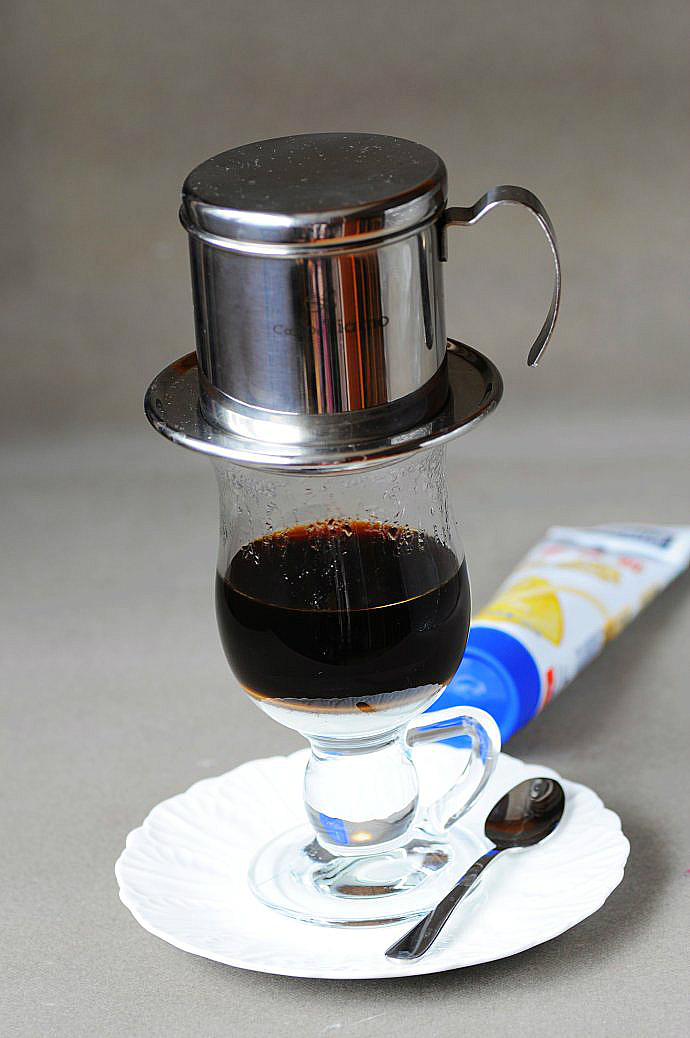
A correct understanding of the practice of Didi pot coffee in Vietnam to understand the production, history and culture of Vietnamese coffee
On this trip to the border between China and Vietnam, I tasted this Vietnamese Didi pot coffee for the first time in Puzhai. When the boss brought this kind of coffee, I was a little at a loss. Vietnamese coffee originated from drip-filtered coffee which was very popular in France in the early 19th century and was introduced into Vietnam with the colonial relationship between France and Vietnam. Vietnamese coffee is not brewed in a coffee pot, but a special dripping coffee cup.
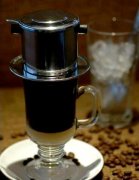
Vietnamese Coffee "Didi Jin" Coffee style of Vietnam
Vietnamese coffee, also known as Didi Jin, has to be ordered 10 minutes in advance. Since French missionaries brought coffee to Vietnam 150 years ago, Vietnam has gradually developed its own unique coffee culture. The style of coffee in Vietnam lies largely in its brewing process. It is not brewed in a coffee pot, but a special drip-filter coffee pot, followed by an old-fashioned printed glass, like sand.
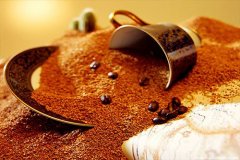
Brewing methods of ultra-fine coffee powder in Vietnam Coffee making skills
The general brewing methods of ultra-fine coffee powder in Vietnam are as follows: 30g coffee powder, dripping pot (dripping iron), condensed milk and sugar. 1. Iron the coffee cup and drip pot before brewing; 2. Put the coffee into the drip pot and cover it. Soak with boiling water, it will drip slowly below. Pay attention to the coffee cup below to keep warm. It is recommended to keep warm in a bowl with boiling water, according to the mouth of the person.

What's the difference between drip pot coffee and ordinary coffee? what kind of coffee beans should be used for drip pot coffee?
For more information on coffee beans, please follow the coffee workshop (Wechat official account cafe_style) Vietnamese coffee is world-famous for its unique taste, its rich and mellow flavor, with slightly bitter taste, and its unique brewing method makes many people equate Vietnamese coffee with dripping coffee. Even if you have never been to Vietnam, you must have seen or tasted dripping.

How does instant coffee taste good? Vietnamese coffee G7. How to make Vietnam drip filter coffee?
For more information on coffee beans, please follow the traces of the French colonization of Vietnam left by the coffee workshop (official Wechat account cafe_style). It is not limited to the French bread and pat used in Vietnamese sandwiches. Vietnamese coffee, which many people are flocking to, is also another classic. Serious Eats reports that the French planted big crops in Vietnam in the 19th century.
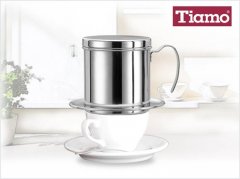
Usage of Didi Pot for making Coffee in Vietnam
Vietnamese coffee is probably what we know most about Vietnam, a neighboring country. Vietnam, once a French colony, began to grow coffee around 1860. Its unique history has formed the unique flavor and connotation of Vietnamese coffee. Vietnamese coffee pot plays an important role in this, and it is also the most important coffee utensils for Vietnamese coffee. Today, the editor is going to teach you about Vietnam.

How to pour coffee into Vietnam and leak the origin of Vietnamese coffee
The origin and development of coffee in Vietnam was brought to Vietnam by French Jesuit missionaries around 1860. In the past 150 years, Vietnam has gradually developed its own unique coffee culture. Today, walking from Ho Chi Minh City, the largest city in the south, to Sapa, a mountain city on the border between China and Vietnam,

The Origin of Fine Coffee beans in Vietnam introduction to the flavor, taste and brewing methods of Vietnamese coffee
Vietnamese people's habit of drinking coffee was brought by the French more than a hundred years ago. Just as Kyoto, Japan, preserved more Tang Dynasty buildings than China, the Vietnamese maintained the ancient French way of drinking coffee. When making, put the dripping cup on the cup holder below, put coffee powder in the drip, press a piece of metal with holes, and then brew it with hot water.
Coffee culture introduces the unique coffee culture of Vietnam the production of Vietnamese coffee the distribution of Vietnamese coffee
Vietnamese coffee, also known as Didi Jin, has to be ordered 10 minutes in advance. Since French missionaries brought coffee to Vietnam 150 years ago, Vietnam has gradually developed its own unique coffee culture. The style of coffee in Vietnam lies largely in its brewing process. It is not brewed in a coffee pot, but a special drip-filter coffee pot, followed by an ancient printed glass, like

Vietnam dripping coffee
Take a trip to Vietnam. Perhaps the most impressive is the leaking coffee that can be seen everywhere in the streets and alleys. Three or two people get together, a few dripping pots, pulling home routine, drinking coffee, leisurely passing the time. It is like the enthusiasm of Fujian people for drinking tea. With the opening of several small Vietnamese restaurants such as Yuewei and Yuezhong in Wenzhou, this unique Vietnamese style of dripping coffee also appeared around us.

An introduction to the Coffee Culture in Asia-- the unique Coffee Culture of Vietnam
Vietnamese coffee, also known as Didi Jin, has to be ordered 10 minutes in advance. Since French missionaries brought coffee to Vietnam 150 years ago, Vietnam has gradually developed its own coffee culture. The flavor of Vietnamese coffee lies largely in its brewing process. It is not brewed in a coffee pot, but a special drip-filter coffee pot, followed by an ancient printed glass cup, like an hourglass.
Vietnam's unique Coffee Culture Coffee Culture
Vietnamese coffee, also known as Didi Jin, has to be ordered 10 minutes in advance. Since French missionaries brought coffee to Vietnam 150 years ago, Vietnam has gradually developed its own coffee culture. The flavor of Vietnamese coffee lies largely in its brewing process. It is not brewed in a coffee pot, but a special drip-filter coffee pot, followed by an ancient printed glass cup, like an hourglass.

Vietnam dripping coffee how to make Vietnamese coffee and how to drink Vietnamese coffee
Professional coffee knowledge exchange more information about coffee beans Please follow the coffee workshop (Wechat official account cafe_style) the Vietnamese coffee drinking habit was brought by the French more than a hundred years ago. Just as Kyoto, Japan, preserved more Tang Dynasty buildings than China, the Vietnamese maintained the ancient French way of drinking coffee. Use only a drip (phin), without machines or complex tools, to make coffee
Vietnam dripping kettle
Vietnam Didi pot is a kind of coffee ware that I highly recommend. Although it is not popular in China at present, people who have used it will know that although it is very inconspicuous, the extracted coffee is not ambiguous at all. The taste is rich and mellow, which is very suitable for people who think American coffee is too light but are not used to Italian coffee. Evaluation of Didi pot in Vietnam

Introduction to the usage and brewing method of Vietnam dripping coffee culture pot and how to use the drinking price
Coffee pot there are two kinds of places to drink coffee in Vietnam, one is a high-end coffee shop, the other is a roadside open-air seat, the same is dripping coffee, the price is also very different. In an open-air seating, you can enjoy delicious and pure Vietnamese coffee for two yuan, while in a high-end coffee shop, it costs 25 to 30 yuan. High-end coffee shop, luxuriously decorated, including small bridge and flowing water
Common sense of Asian Coffee Culture Coffee Culture unique to Vietnam
Vietnamese coffee, also known as Didi Jin, has to be ordered 10 minutes in advance. Since French missionaries brought coffee to Vietnam 150 years ago, Vietnam has gradually developed its own coffee culture. The flavor of Vietnamese coffee lies largely in its brewing process. It is not brewed in a coffee pot, but a special drip-filter coffee pot, followed by an ancient printed glass cup, like an hourglass.
Medium-sized Vietnamese coffee beans Flavor Taste Aroma Description Introduction
Vietnam's geographical location is very conducive to coffee cultivation, the south of Vietnam has a hot and humid tropical climate, suitable for growing ROBUSTA coffee, and the north is suitable for growing ARABICA coffee. Coffee production in Vietnam has the following characteristics: (1) Since there is no effective method to deal with defoliation, in the early 1980s, medium-grain coffee was selected as the main variety. (2)Based on planting techniques

[Qianjie barista's Note] Vietnam drip filter cup to do hand-flushing, brewing parameter experiment
Professional coffee knowledge exchange more coffee bean information Please follow the coffee workshop (Wechat official account cafe_style) A few days ago the editor heard a question, [Vietnam drip filter cup] can be used as a filter cup? The answer is yes. Basically, any instrument that may play a filtering role can act as a filter cup. That's the problem. When we use the Vietnamese trickling filter pot to do hand flushing, the grinding degree is done by hand.

The representative products of Vietnamese coffee are Central Plains Coffee and Highland Coffee Vietnamese dripping Pot.
It is said that the most classic hot coffee is in Central and South America, while the most flavored iced coffee is in India. Central and South America has never been there and dare not talk about it, but I do have a lot of feelings about the latter because of working in Vietnam. In Vietnam, where the four seasons are like summer, a cup of iced coffee not only relieves heat and relieves thirst, but also refreshes the mind. Coffee was brought to Vietnam by French Jesuit missionaries around 1860.
Boutique coffee pot to make coffee Vietnamese coffee dripping gold
Vietnamese coffee, also known as Didi Jin, has to be ordered 10 minutes in advance. Since French missionaries brought coffee to Vietnam 150 years ago, Vietnam has gradually developed its own unique coffee culture. The style of coffee in Vietnam lies largely in its brewing process. It is not brewed in a coffee pot, but a special drip-filter coffee pot, followed by an old-fashioned printed glass, like sand.